Freya Butler · 14 October 2026
Lecture Series Bridges Gap Between Historical Archives and Modern Environmental Concerns
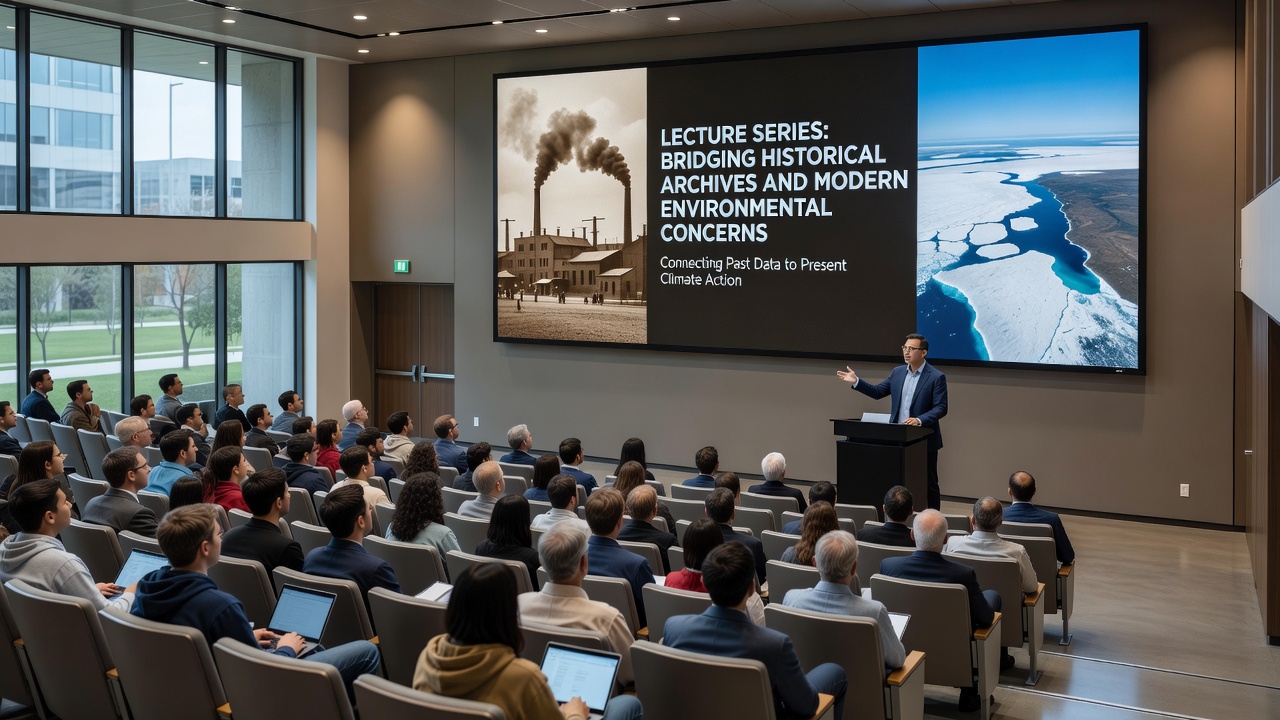
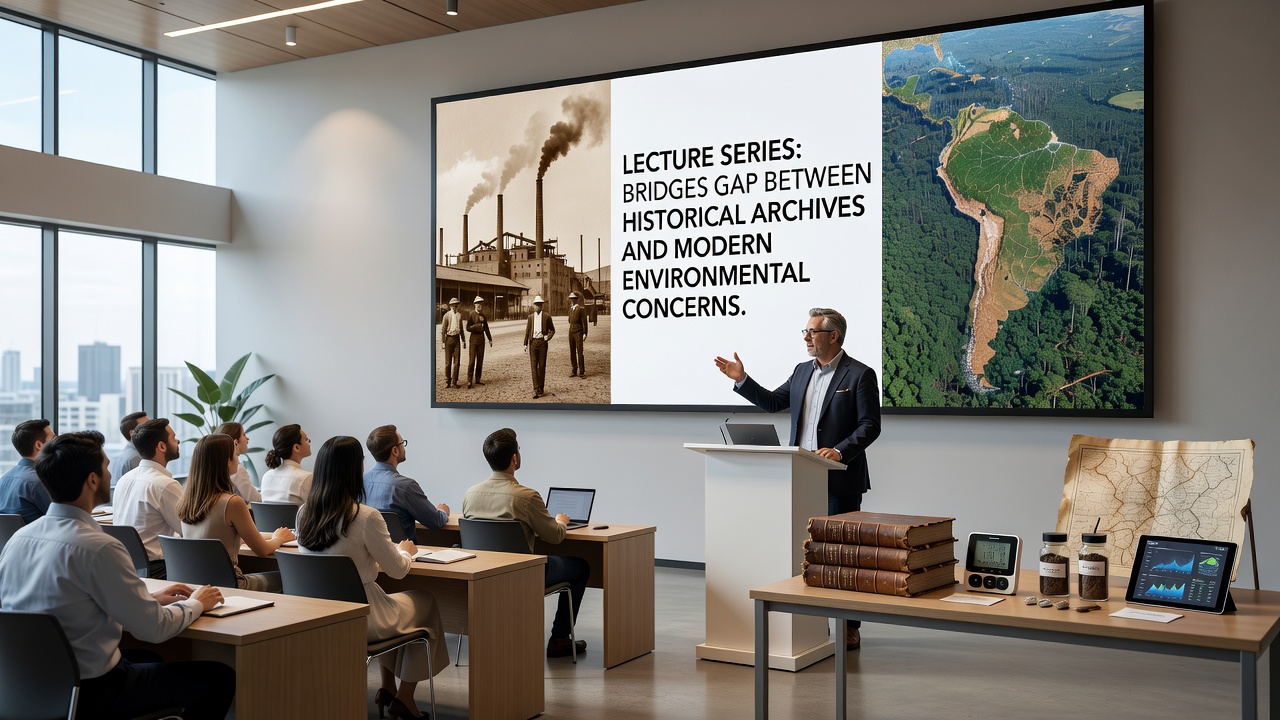
Historical archives hold detailed records of past climates, land use patterns, and ecological shifts that researchers now examine alongside current environmental data, and a new lecture series launched in 2026 brings these two fields together through scheduled talks across multiple institutions. The series began its fall programming in October 2026 with sessions focused on how 19th-century weather logs and agricultural ledgers inform contemporary models of drought cycles and biodiversity loss.
Connecting Past Records to Present Challenges
Archivists and environmental scientists have collaborated on the program structure, which features monthly presentations that draw from primary sources such as colonial-era maps and industrial-era pollution reports. These materials reveal long-term trends in river flow rates and forest cover that align with satellite observations collected over the last four decades, and speakers demonstrate specific methods for digitizing fragile documents so they integrate directly into climate databases. One session examined 1870s farm journals from the American Midwest that documented soil erosion rates, while another compared those entries to modern soil carbon measurements from the same regions.
Participants review case examples where archival temperature readings from the 1800s help calibrate predictive algorithms used by meteorological agencies today. The October 2026 events included a workshop on European monastic records that tracked grape harvest dates back to the 1300s, data that researchers cross-reference with current phenology studies to track shifts in growing seasons. Attendance at these sessions reached several hundred per event, with remote access provided through university streaming platforms.
Program Format and Participating Institutions
Each lecture runs approximately ninety minutes and combines archival analysis with field data presentations, followed by open discussion periods. Organizers schedule the talks at rotating venues that include university libraries and regional museums, and they maintain an online repository where attendees download referenced datasets. The series draws speakers from institutions across North America and Europe, ensuring varied regional perspectives on how historical documentation supports environmental policy development.
Funding for the initiative comes from a combination of academic grants and public history endowments, which cover travel costs for presenters and digitization equipment for participating archives. Several sessions in late 2026 will address urban development records from the early twentieth century and their relevance to current heat island mitigation strategies in growing cities. Attendees receive access to standardized metadata templates that allow consistent tagging of environmental details within historical collections.
Research Applications and Data Integration
Studies published by participating researchers show that combining archival records with modern monitoring improves the accuracy of long-term climate reconstructions by measurable margins. For instance, Environmental Protection Agency reports on regional temperature trends incorporate selected historical observations to extend baseline periods. Similar efforts appear in Canadian forestry studies that reference nineteenth-century timber cruise logs when modeling current carbon sequestration rates.
The series also highlights technical challenges such as inconsistent measurement units in older documents and the need for careful calibration before statistical use. Presenters walk through protocols for converting handwritten notations into machine-readable formats while preserving original context, and they share open-source tools developed specifically for this type of interdisciplinary work. One upcoming November 2026 lecture will focus on Australian colonial survey maps and their application to contemporary wildfire risk assessment in the same landscapes.
Future Sessions and Broader Impact
Additional talks planned through early 2027 will explore marine logbooks from the age of sail and their value for understanding ocean temperature patterns that affect current fisheries management. Organizers continue to expand partnerships with international archive networks to widen the geographic scope of available source material. Registration remains open for both in-person and virtual participation, with materials archived for later review by those unable to attend live events.
Conclusion
The lecture series demonstrates concrete ways that preserved historical documentation contributes to ongoing environmental analysis, and continued sessions through 2027 will further refine these connections. Institutions involved report increased interest in cross-training programs that prepare archivists and scientists to work with shared datasets, while public engagement metrics indicate sustained attendance across formats. The program maintains its focus on verifiable record integration rather than interpretive commentary, ensuring outputs remain grounded in documented evidence from both archival and contemporary sources.