Drew Weber · 27 October 2026
Historical Data Sparks Fresh Dialogues on Forest Resilience at Public Forums
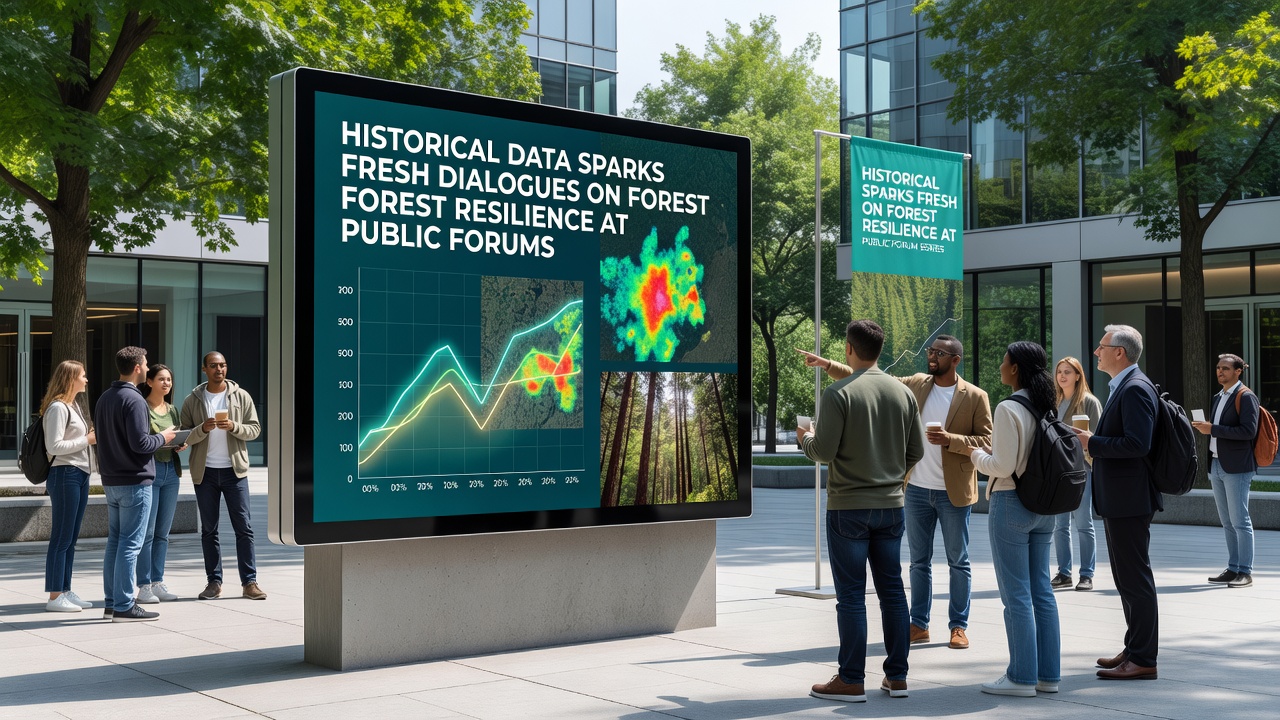
Public forums held across Peak Ridge in October 2026 brought together researchers, land managers, and residents to examine historical forest records and their implications for current resilience strategies. Presentations drew from decades of archived data on tree species composition, fire intervals, and climate patterns, which participants connected to ongoing management challenges in regional woodlands. Organizers structured the sessions around primary sources such as early 20th-century survey logs and mid-century aerial photographs that document shifts in canopy density and understory vegetation.
Archival Records Inform Contemporary Analysis
Historical datasets presented at the forums included tree-ring chronologies from the 1800s onward alongside fire scar evidence collected from multiple sites in the Peak Ridge watershed. Researchers cross-referenced these records with precipitation measurements dating back to the 1890s, revealing extended periods of drought that coincided with reduced regeneration rates for certain conifer species. Participants reviewed maps from the 1930s that showed denser stands in lower elevations compared with present conditions, a pattern attributed to altered disturbance regimes and land-use changes over subsequent decades.
One session focused on how these archives align with recent satellite observations from 2000 through 2025, which track incremental declines in forest health metrics during successive dry seasons. Data compiled by regional agencies indicated that stands with documented historical fire return intervals of 15 to 25 years exhibited greater structural diversity than areas with longer fire-free intervals. Attendees discussed methods for integrating such longitudinal information into updated fuel-reduction plans without relying solely on short-term monitoring.
Forum Discussions Highlight Regional Patterns
Breakout groups examined case examples from comparable forest types in other watersheds, including those managed under frameworks developed by the US Forest Service. Comparisons illustrated how historical data on species migration during past climate fluctuations could guide assisted migration trials currently under consideration for Peak Ridge slopes. Speakers presented tables showing correlations between past beetle outbreak cycles and current vulnerability indices, noting that areas with repeated historical infestations now support higher proportions of resilient hardwood species.
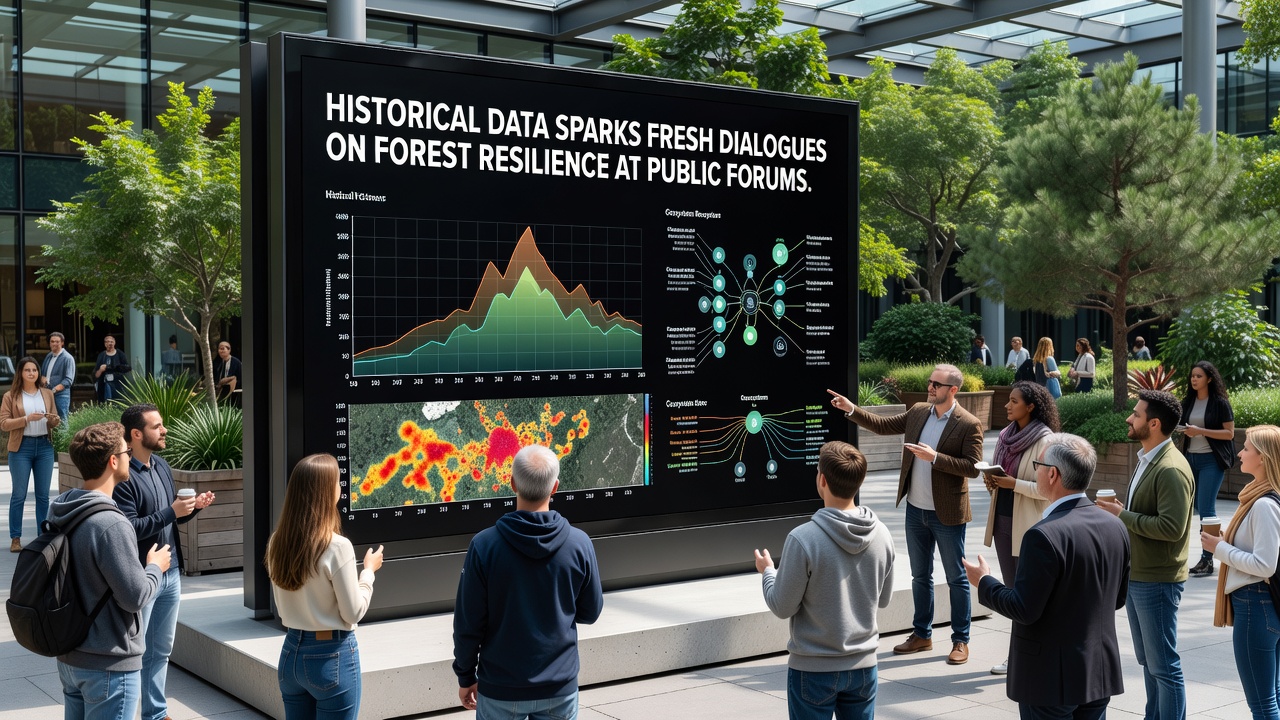
Additional segments addressed water retention capacities documented in older soil surveys and their relevance to projected changes in seasonal runoff. Forum records indicate that groups explored linkages between 1950s-era logging patterns and present-day stand structures, identifying legacy effects that influence both fire behavior and carbon storage potential. These exchanges occurred alongside updates on monitoring protocols that incorporate both archival baselines and real-time sensor networks deployed since 2022.
Community Engagement Expands Data Applications
Residents contributed observations from family-owned parcels that matched trends identified in the historical datasets, particularly regarding changes in oak woodland boundaries since the mid-1900s. Such input supplemented formal records and prompted questions about how localized knowledge might refine broader resilience models. Facilitators compiled notes from each session to identify recurring themes, including interest in expanding dendrochronology sampling across additional elevation bands and incorporating Indigenous land-management timelines where available in regional archives.
Attendance logs from the October events show participation from representatives of local conservation districts, university extension programs, and state forestry offices. Discussions touched on coordination with international efforts documented by the Canadian Forest Service, where similar historical reconstructions support adaptive strategies in boreal zones. Participants received summaries of the presented datasets along with guidance on accessing digitized portions of the Peak Ridge historical collection for further review.
Conclusion
The October 2026 forums established a framework for continued integration of historical forest data into resilience planning processes. Follow-up meetings scheduled for early 2027 will review progress on incorporating the compiled records into updated management guidelines. Organizers have made session recordings and supporting datasets available through the Peak Ridge public library portal to support ongoing community reference.